
Greenville Garage Door Guide
Why Cold Mornings Break Springs in Greenville's Older Garages
Greenville homes built mostly in the 1960s-70s carry original hardware that struggles in cold snaps. Here's why springs fail and what actually drives the fix.
Where People Go Wrong
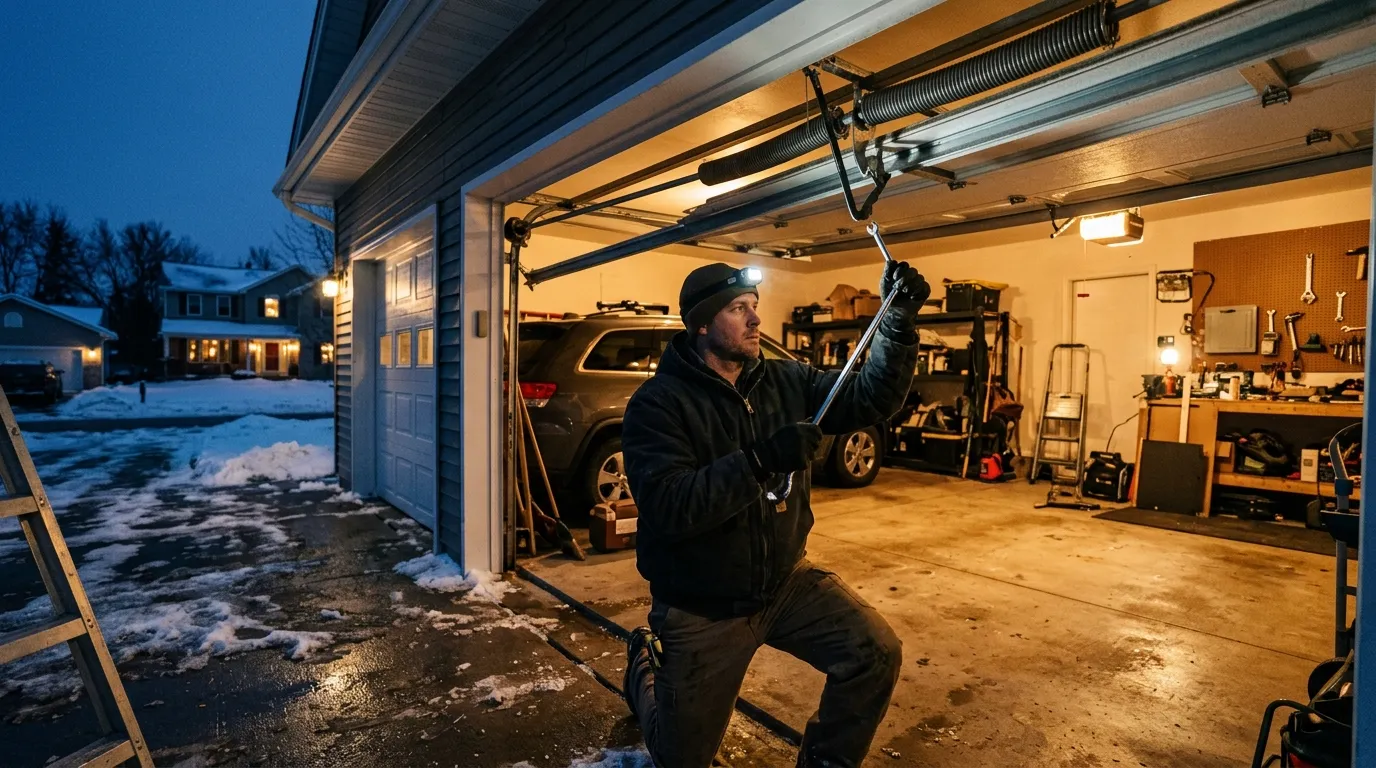
Most callers assume a spring that snaps on a cold morning is a fluke, but it usually isn't. Homes across Greenville's service area were mostly built between 1965 and 2001, with a lot of that stock going up in the 1960s and 70s across the eleven named areas we work in. That means a big share of doors out there are running on original torsion springs that are now 40 to 60 years old, sized for a lighter door than the ones many owners installed later when they swapped a single steel panel door for something heavier.
The mistake is treating the spring like it's the problem instead of asking why it went now, on this morning, after holding for decades. Metal fatigues on a cycle count, and cold makes the steel less forgiving right when it's near the end of that cycle. People also skip the second spring on a double door because "it still lifts fine," not realizing the other spring is now doing all the work and is next in line.
If your house falls in that 1965-2001 build window, the spring under your door is old enough to be tired, and cold is just the trigger, not the cause.
What It Costs
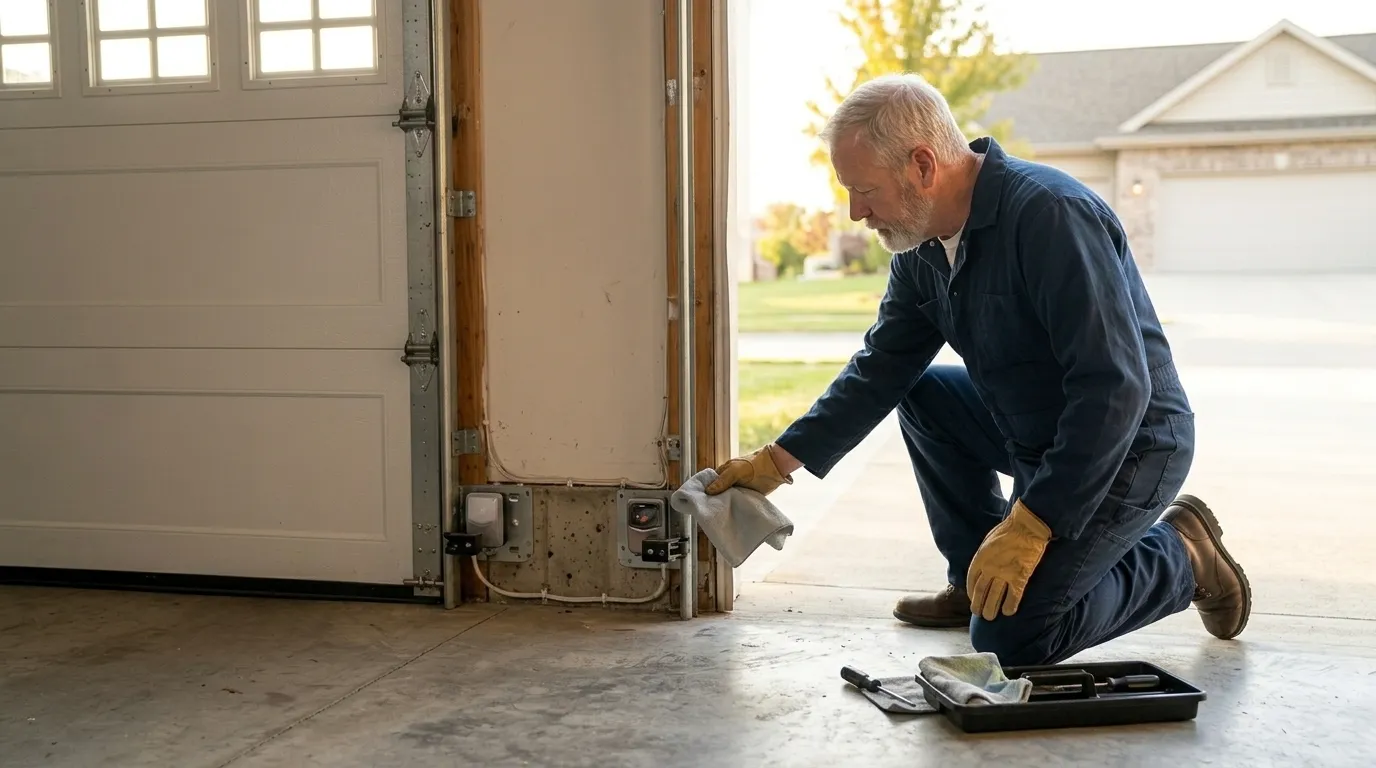
We don't have a set price to quote here, and giving you one without seeing the door would be a guess dressed up as a fact. What drives the number is the door itself: how many springs it needs, what size wire and coil length matches the door's weight, and whether the drums, cables, or bearing plates got damaged when the spring let go. On a lot of the older doors common across this area's 1960s-70s stock, torsion springs sit on hardware sized for lighter panels than what's on the door now, and matching that correctly matters more than matching the price of the last job we did down the street.
With a median household income of $41,711 across the service area, we know most people calling aren't looking to gold-plate a repair, they want the door working and safe. The honest limitation: if the spring failure took the cable or a panel with it, that's a different job than a clean spring swap, and we won't know which one you've got until we're standing in front of it.
What Local Conditions Do
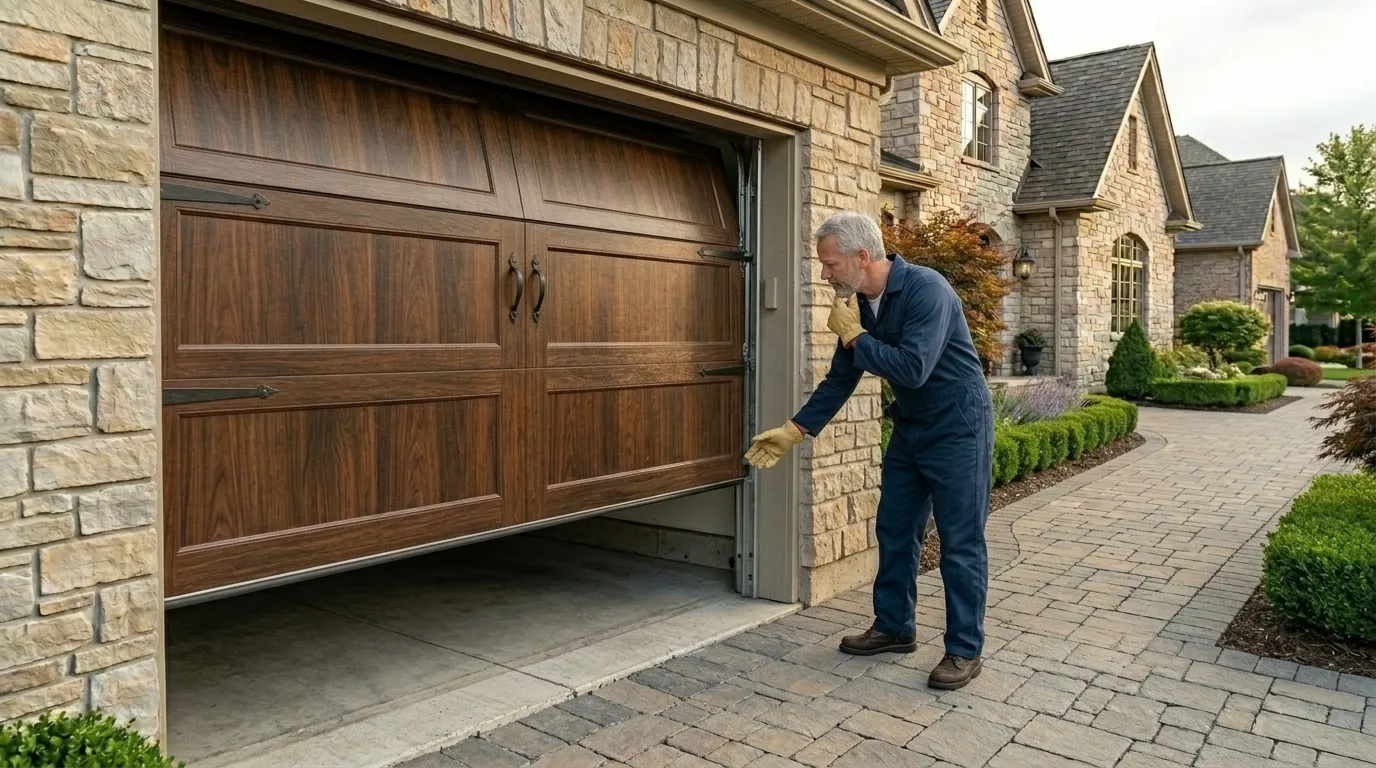
Greenville sits in a cold-moderate climate band, not the deep freeze of the mountains, but enough of a swing that steel spring wire contracts and stiffens on the coldest mornings of the year. That stiffening changes how the spring flexes under load right at the moment someone hits the opener button on their way to work. It's not the cold alone doing the damage - it's cold hitting a spring that's already fatigued from decades of cycles, which loops back to the age of the housing stock across the service area.
A spring installed when a house was built in 1974 has seen roughly fifty winters of that contraction cycle by now. Newer doors on newer torsion hardware handle a cold morning without issue because the steel hasn't cycled that many times yet. Older doors in the neighborhoods built through the 60s and 70s are the ones where a cold snap turns a tired spring into a broken one, seemingly out of nowhere, on a morning that isn't even the coldest of the year.
The Problem
The real problem isn't the weather, it's timing. A spring on a door built when the house went up sometime between 1965 and 2001 has been cycling for decades, and cold weather doesn't cause the fatigue, it just removes the last bit of slack the steel had left. Across 8,732 owner-occupied houses in this service area, a meaningful share are sitting on hardware that's original or close to it, which means the failure point isn't random, it's predictable if you know the build era of the house.
The fix isn't to fight the cold, it's to replace a spring that's earned its retirement before it takes a cable, a drum, or a bearing plate down with it on the way out. Waiting for the warm season to deal with it doesn't help - the spring doesn't get less tired, it just gets one more cold morning to fail on.
How We Can Help
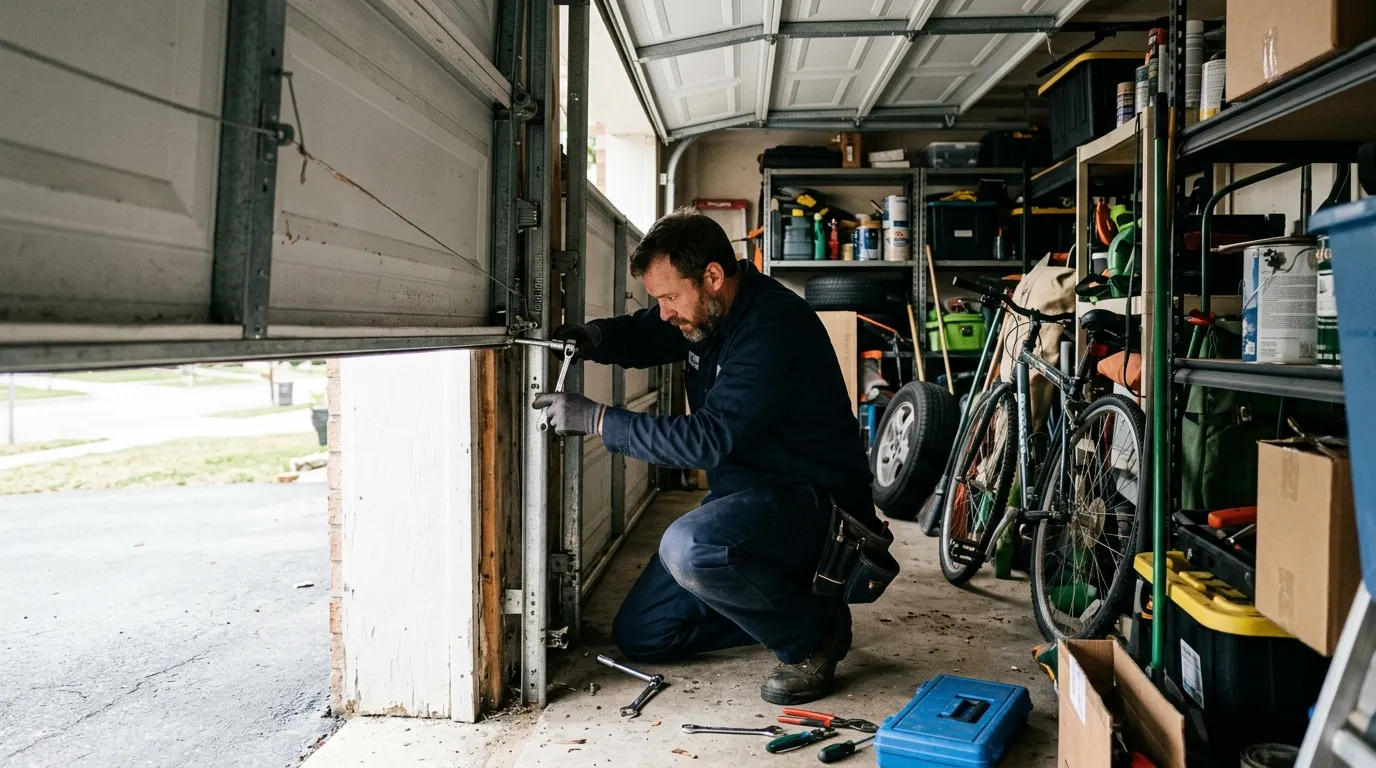
Garage Door Repair
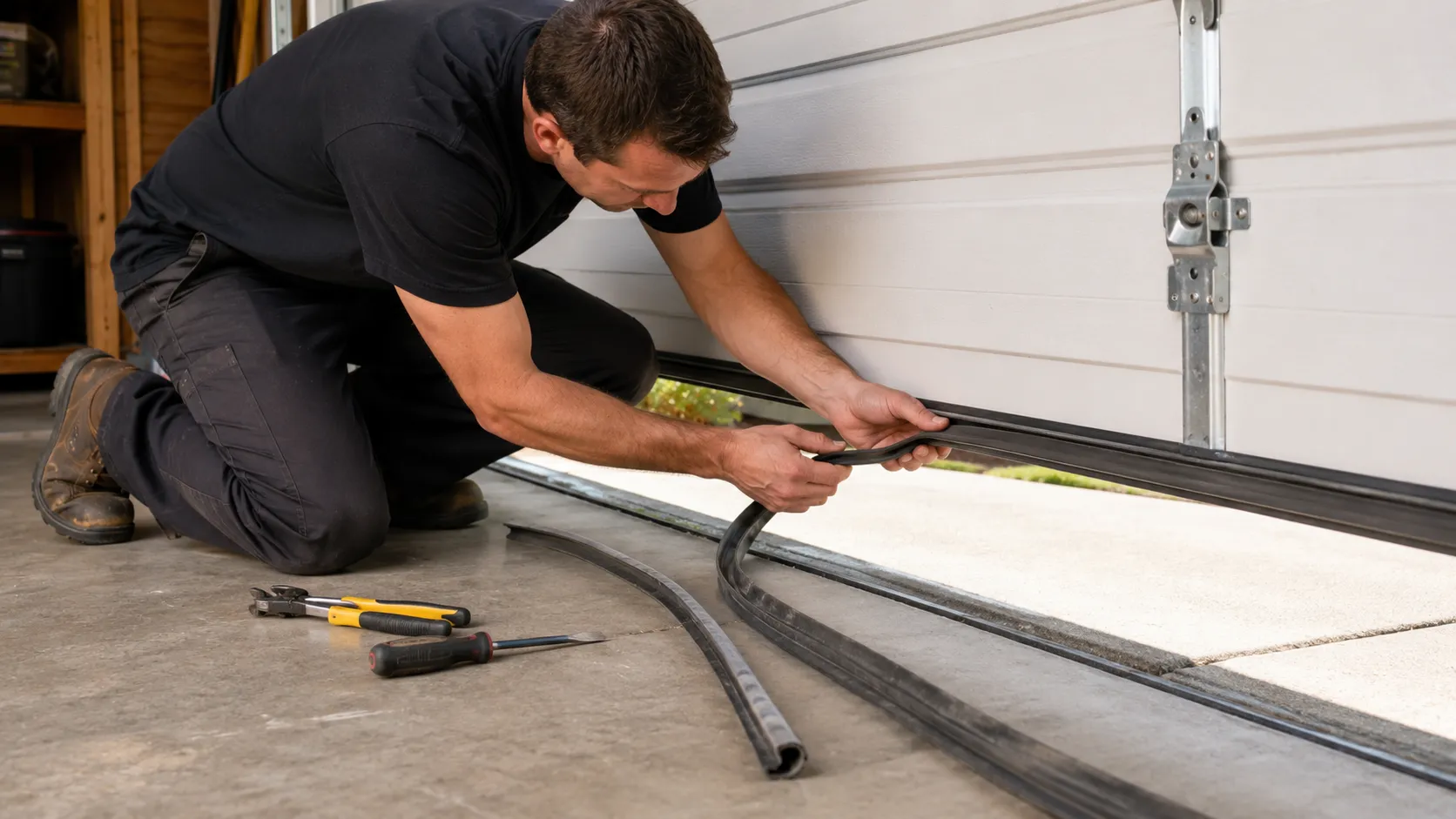
Springs, cables, tracks, rollers, and openers fixed by a tech who explains the problem before touching anything.
Learn more →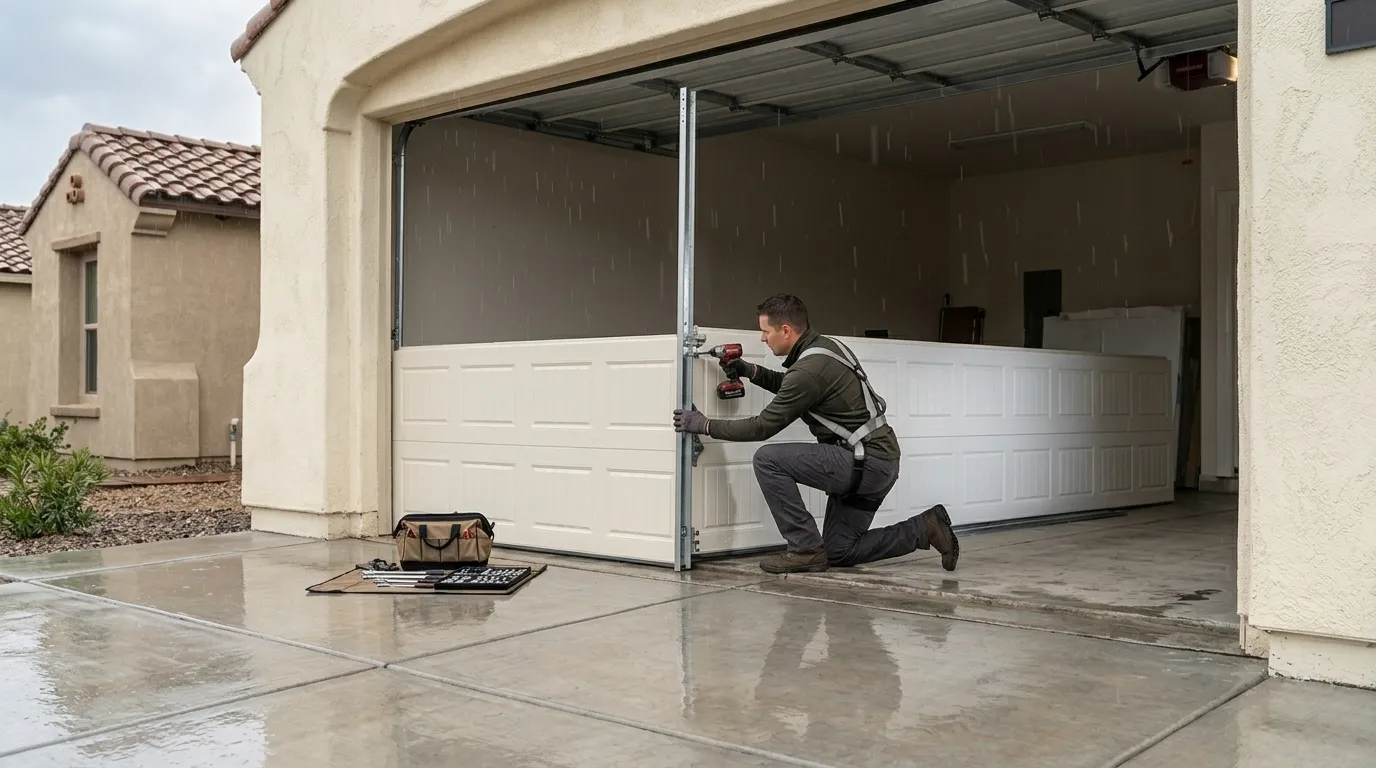
Garage Door Installation
New sectional doors sized and installed for the housing stock actually built in this area.
Learn more →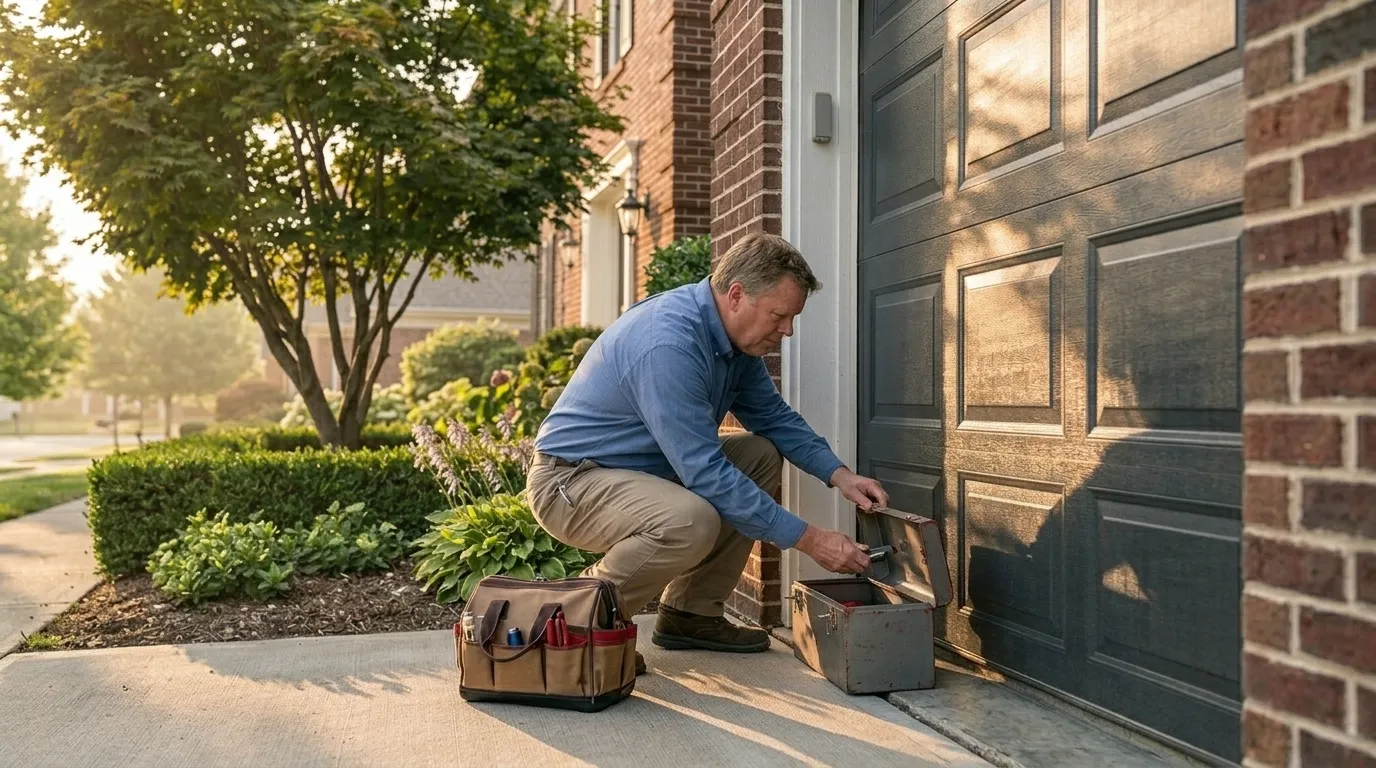
Garage Door Service
Tune-ups, lubrication, and safety checks that catch a small problem before it becomes a service call.
Learn more →Frequently Asked Questions
Why did my spring break on a cold morning when it's worked fine for years?
The cold isn't the real cause, it's the trigger. Steel spring wire stiffens in cold weather, and if that spring has already cycled for decades - common on houses built in the 1960s and 70s across this area - the added stress of a cold morning is often what finally breaks it.
Is a broken spring in winter more dangerous than in summer?
A spring under tension is a risk any time it fails, but cold weather does make the steel more brittle, so the break can be sharper and the door drop faster. Don't try to lift the door manually or force the opener until the spring is replaced.
How do I know if my door's hardware is original?
If your house was built anywhere in the 1965-2001 range common across this area and the door hasn't been replaced, there's a good chance the spring and drums are original. A visual check of wear, rust, and coil spacing tells us more than the house's age alone.
Have a Door That Needs a Second Opinion?
Call and describe what it is doing - we will tell you what it likely is.