
Greenville Garage Door Guide
Why Greenville's Garage Doors Fail the Way They Do
Greenville homes built between 1965 and 2001 came before today's insulation codes. Here's what that means for garage doors, springs, and openers in this climate.
Where People Go Wrong
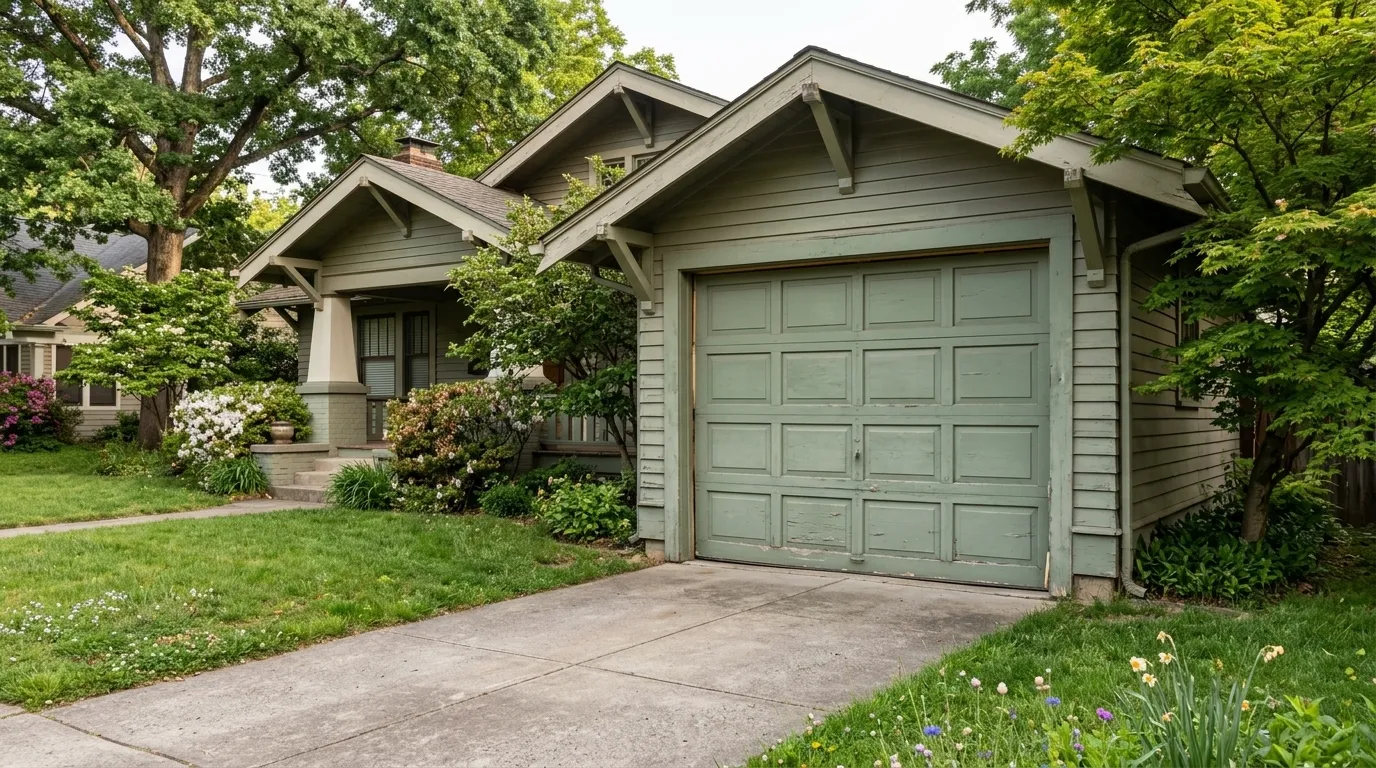
Most of the houses we get called to sit in the pocket built between 1965 and 2001, with the bulk going up in the early-to-mid 1970s, across the eleven or so subdivisions that make up this side of town. That matters because those doors and openers were built to a much lower bar than what you'd buy today.
Homeowners see a slow-closing door or a spring that looks fine and assume it just needs oil. What actually happened is the door was never insulated to begin with, the panel is thin single-layer steel, and the hardware was sized for a lighter, leakier door than the ones sold now.
The mistake we see most is treating a 1970s-era door like a maintenance problem when it's an age problem. People replace a cable or a roller, the door runs fine for a few months, then the next part goes because everything on that door has been working the same number of open-close cycles since Nixon was president. If your house falls in that 1965-2001 build window - and most in this service area do - the fix that actually holds isn't the next single part, it's asking whether the door as a system is past the point where parts are worth chasing.
What It Costs
We're not going to hand you a price list here, because a repair on a door from this era can run anywhere from a quick spring swap to a full teardown depending on what the last thirty-plus years did to the track and jamb. What we can tell you is how to think about it. The median household income across this area is around $41,700, which means most people we work for are budgeting a repair carefully, not treating it as pocket change - and that's exactly the crowd who gets hurt worst by patching an old door piece by piece instead of pricing the whole job once.
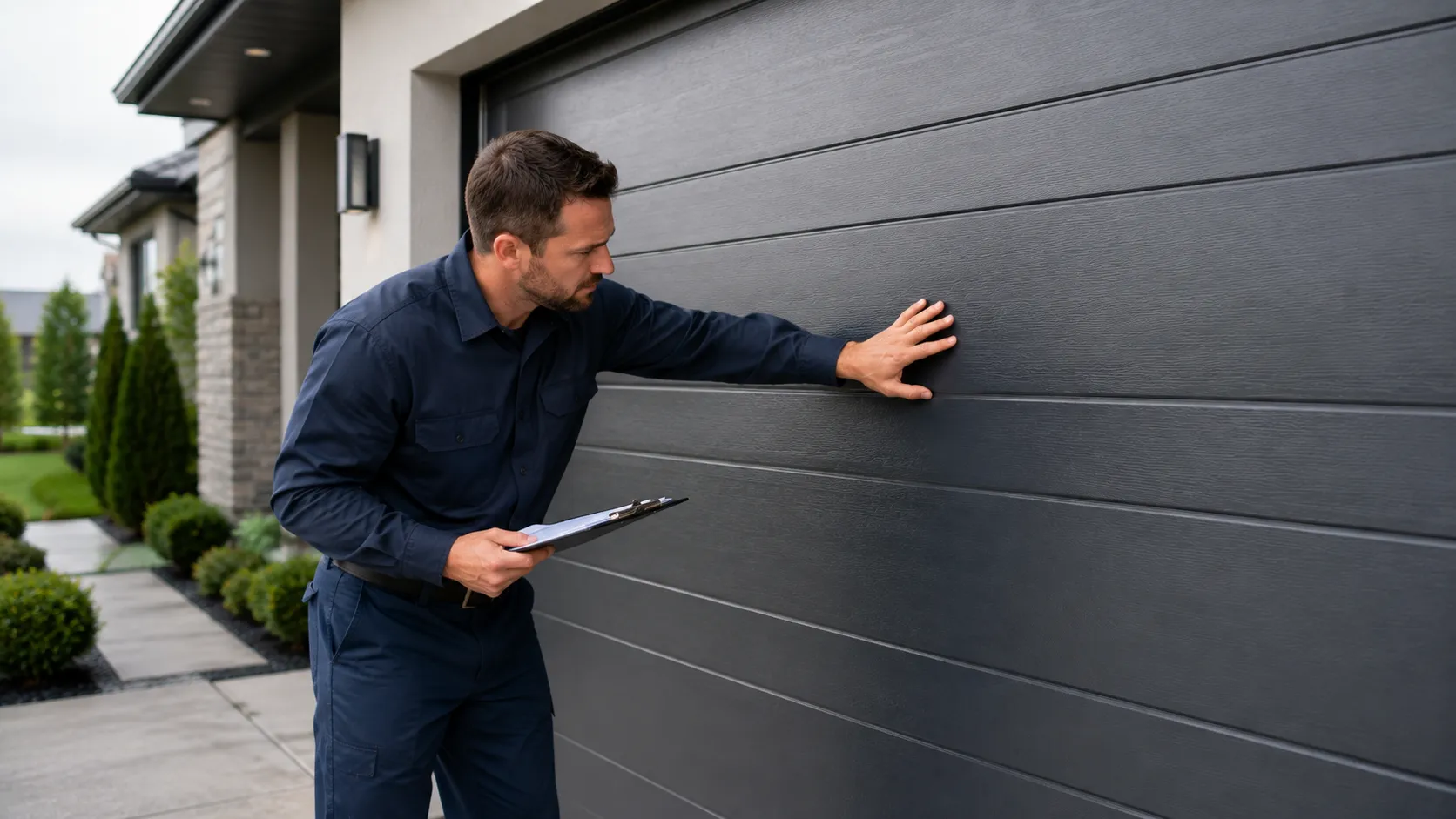
Here's the honest limitation: if your door was installed anywhere close to that 1965-2001 window, we often can't quote a fix without opening the panel up, because the parts underneath don't match what's on newer doors and we won't guess at what we haven't seen. A same-era door that's had one system fail has usually got two or three more close behind it, and stacking repair calls costs more over a year than deciding once whether to replace.
What Local Conditions Do
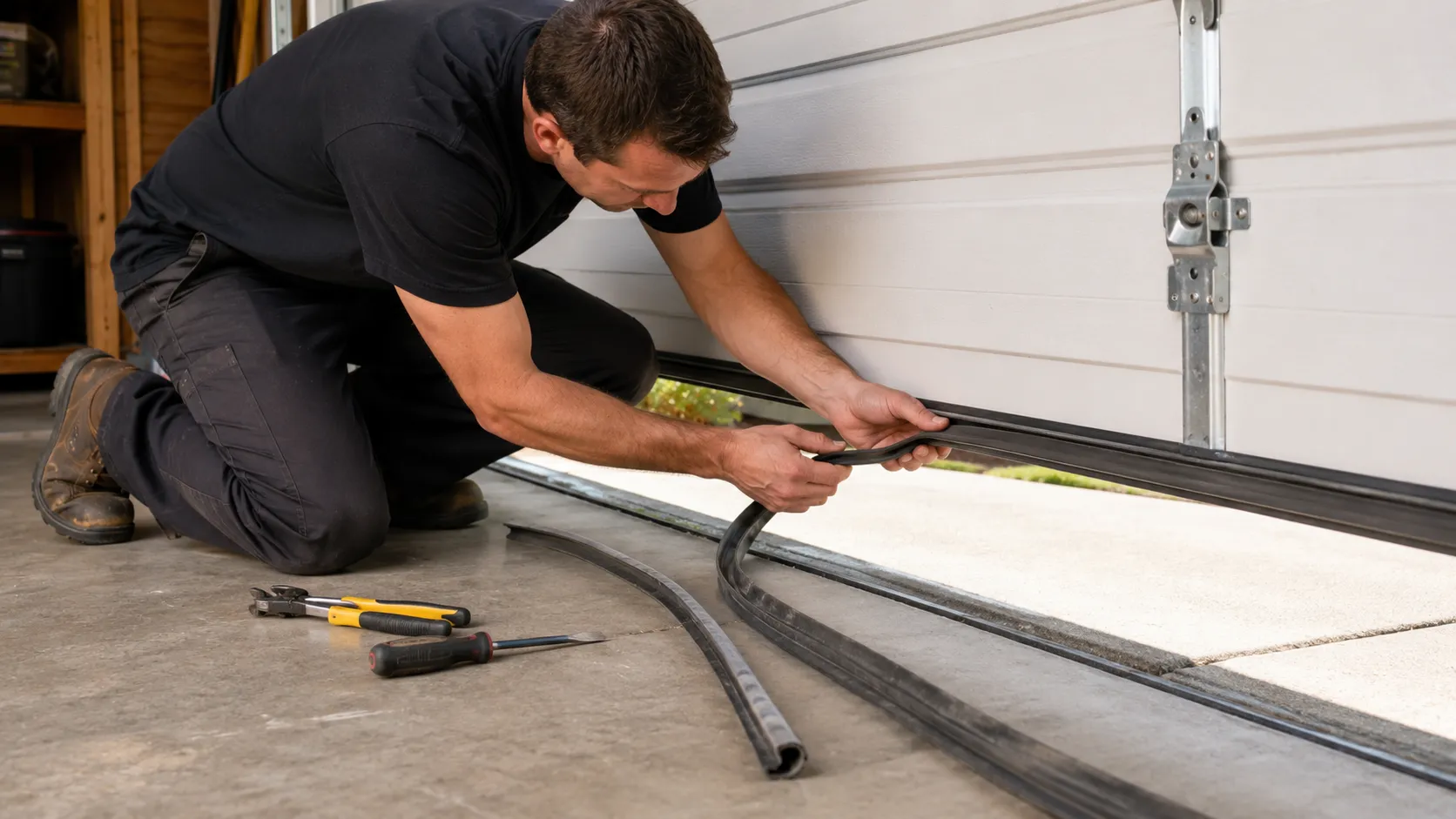
This is a cold-moderate climate, not the deep freeze you get further north, but cold enough that an uninsulated steel door - which is what you've got if your house dates to the older half of that 1965-2001 range - swings hard between the outside temperature and whatever heat leaks out of the garage. That swing is what warps a thin panel and dries out the rubber seal at the bottom faster than a newer, insulated door would show.
The cold-moderate swing also does something specific to torsion springs on original hardware: the steel contracts in cold snaps and the spring's coil tension shifts slightly with every hard swing in temperature. On a spring that's already thirty-plus years old, that's the difference between another five years of service and a snap on a January morning. None of this is dramatic weather - it's just steady seasonal cycling against hardware that was never built to insulation standards, because the building code hadn't caught up yet when your neighborhood went up.
The Problem
The real problem in this area isn't any one broken part - it's that so much of the housing stock, from the Medical District out to the older streets near Winterville and Ayden, shares the same birth years and the same original hardware specs. When one door on a 1972 house fails at the spring, the door two streets over built the same year is on borrowed time too, even if it hasn't made a sound yet.
That's the case for looking at the whole door - panel, spring, opener, seal - as one unit tied to its build year, instead of chasing whichever part failed this month. It won't make sense for every house.
A door that's already been upgraded with a newer panel or a retrofit opener doesn't carry the same risk. But for the original, untouched doors still running on houses built before insulation rules existed, the failures tend to come in clusters, not once.

How We Can Help
Garage Door Repair
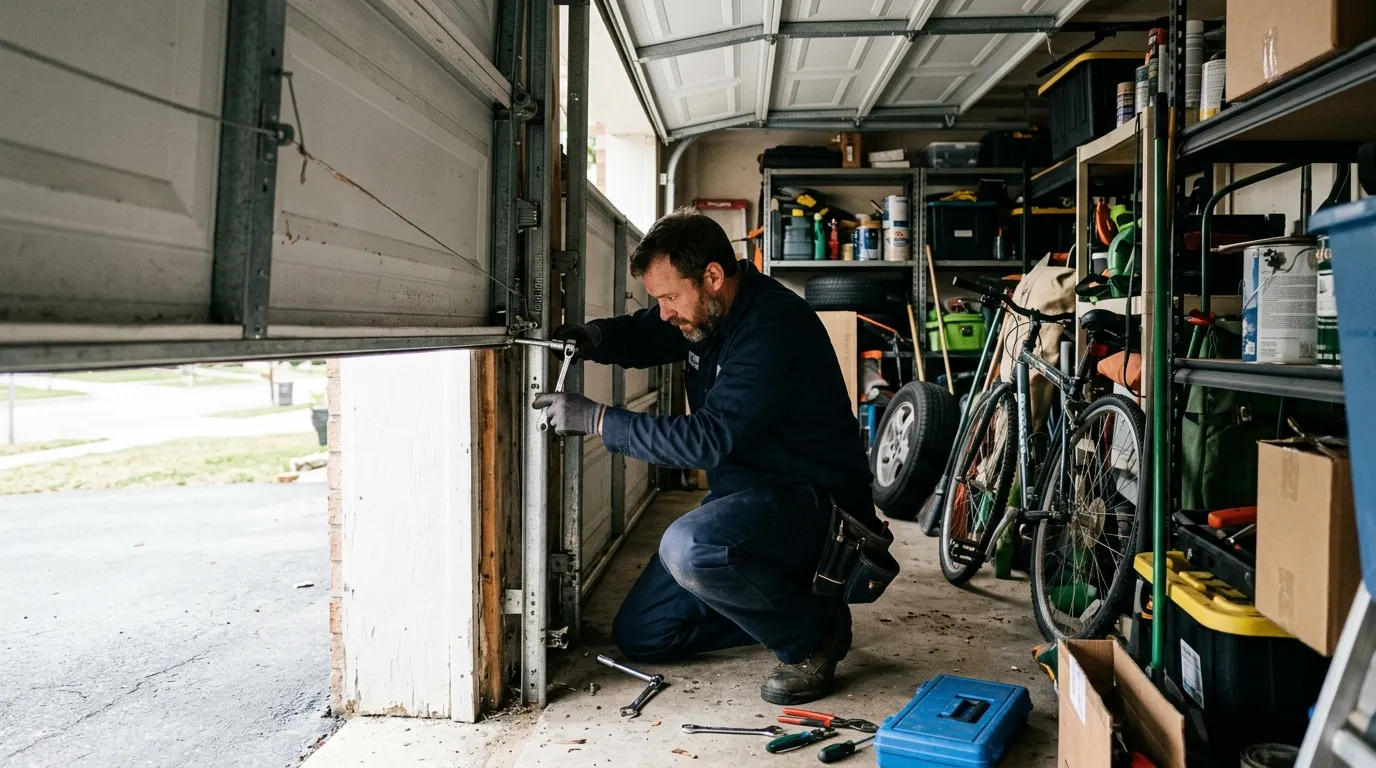
Springs, cables, tracks, rollers, and openers fixed by a tech who explains the problem before touching anything.
Learn more →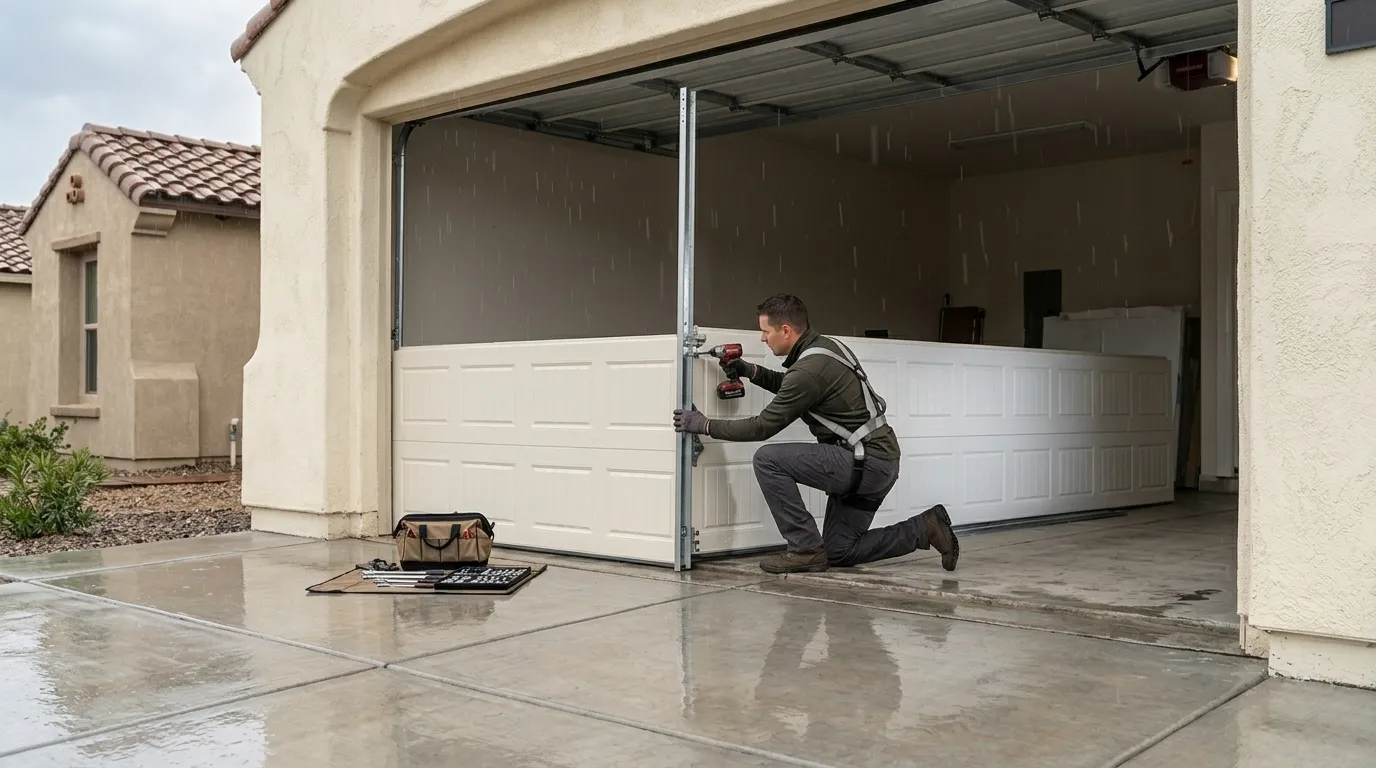
Garage Door Installation
New sectional doors sized and installed for the housing stock actually built in this area.
Learn more →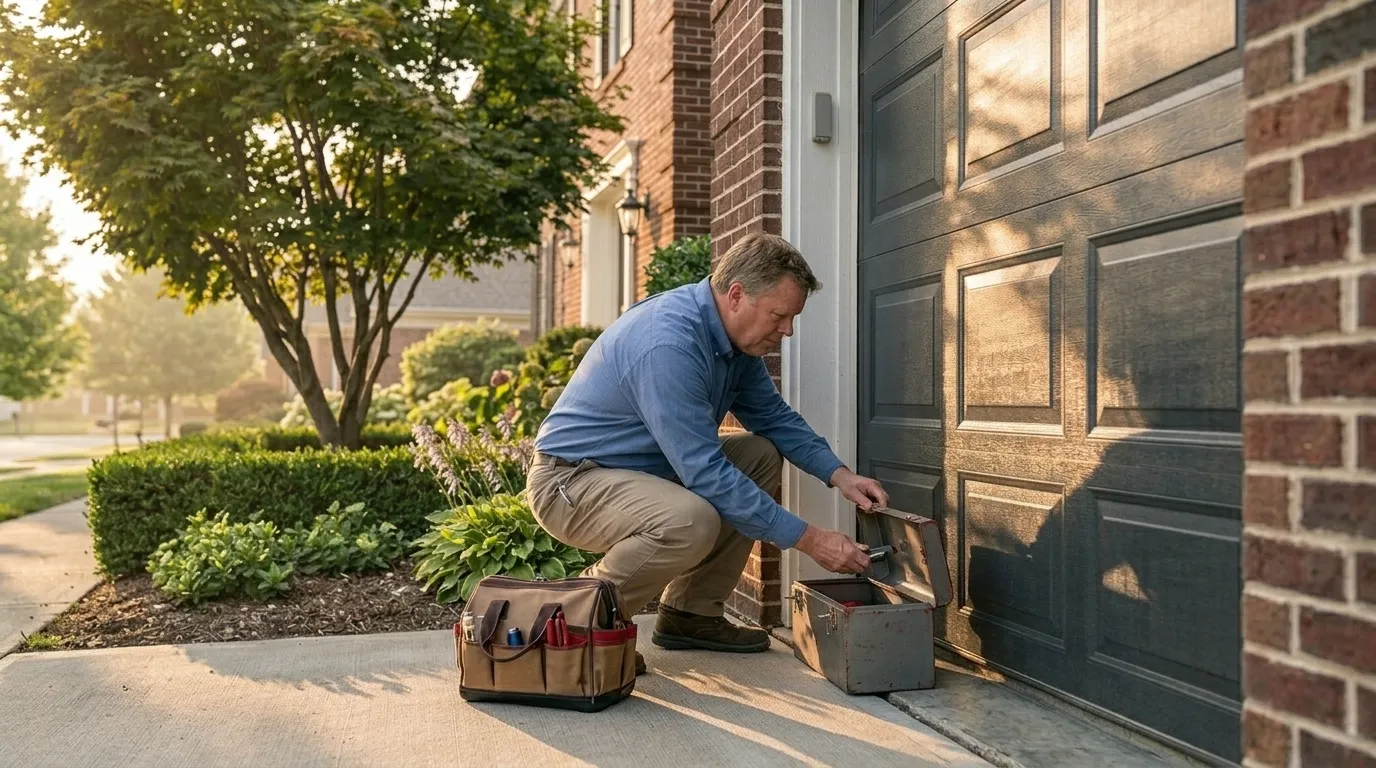
Garage Door Service
Tune-ups, lubrication, and safety checks that catch a small problem before it becomes a service call.
Learn more →Frequently Asked Questions
Why does my garage door feel so much colder than the rest of the house?
If your house was built in the 1965-2001 window that covers most of this area, the original door likely has no insulation layer at all - just a single sheet of steel. That's normal for the era; insulation wasn't required when these houses went up. It won't damage the door, but it does mean the garage runs close to outside temperature year-round.
Is it worth repairing a garage door from the 1970s or replacing it?
Depends on what's failed. A single roller or cable on an otherwise sound door is worth fixing. But if the spring, opener, and seal are all original and one part just went, you're often looking at the rest following within a year or two, since they've all logged the same cycles since the house was built.
Does the cold weather here actually affect garage door springs?
Yes, though this area is cold-moderate rather than severe. The seasonal swing in temperature causes steel torsion springs to contract and expand slightly, and on hardware that's already decades old, that repeated shift is often what finally breaks a spring rather than one hard freeze.
Have a Door That Needs a Second Opinion?
Call and describe what it is doing - we will tell you what it likely is.