
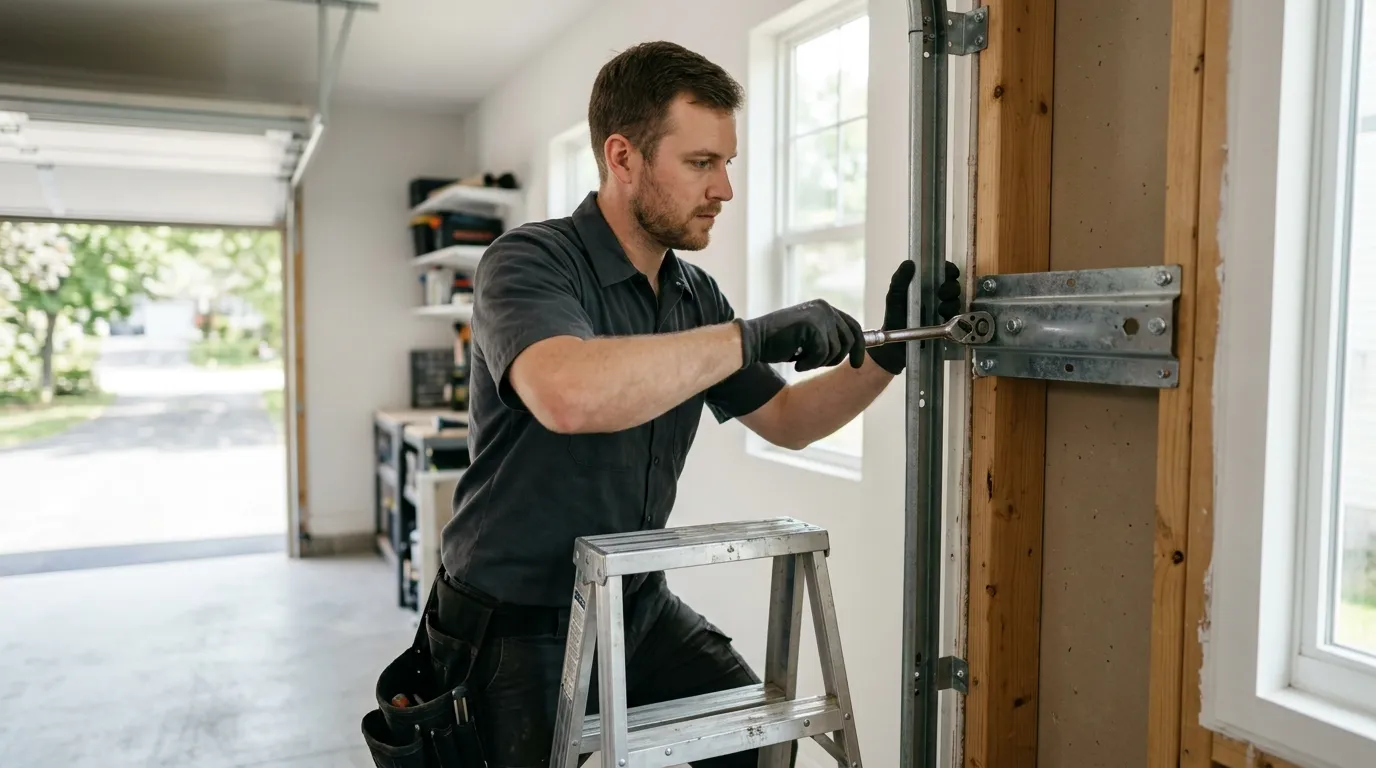
Spring Repair in Grifton
Broken Spring Repair for Grifton's 1970s-Era Garage Doors
Grifton homes built around 1973 run torsion springs that are 50 years old. We drive from Greenville to fix broken springs safely, no guesswork.
What Happens When You Call
-
1
Call or Request a Quote
Tell us what the door is doing and roughly how old the house is - that alone points us toward the likely part before a truck leaves.
-
2
On-Site Diagnosis
A tech checks the spring, cables, tracks, and opener in person and tells you plainly what is actually wrong.
-
3
Straight Price, No Surprises
You get a number before any work starts. It covers parts and labor, nothing added after the fact.
-
4
Fixed the Same Visit
Most repairs are done in one trip. If a part needs sourcing, we tell you that upfront instead of guessing.
What You Are Seeing
If your garage door won't budge, or it lurches up a few inches and stalls, that's almost always a broken torsion spring, not a dead opener. In Grifton, where the median home went up around 1973, you're dealing with a door that's been running on the same spring hardware since disco was still on the radio. That's roughly 50 years of daily cycling on steel that was never meant to last forever.
Grifton's build year sits right at the tail end of the 1965-2001 stretch that covers most of the housing stock we work on across this service area. Doors from that window almost always use torsion springs mounted on a shaft above the door, not the older side-mounted extension springs you'd find on anything built before the mid-60s. That matters because the fix, the parts, and the danger are all different depending on which type you've got.
A snapped torsion spring often shows a visible gap in the coil, and you'll usually hear it happen - a loud bang, sometimes described as a gunshot. If your door only sags to one side, that's a sign one spring on a two-spring system has gone while the other is still holding. Either way, the cable and drum are under load and this isn't a job to force open with the manual release.
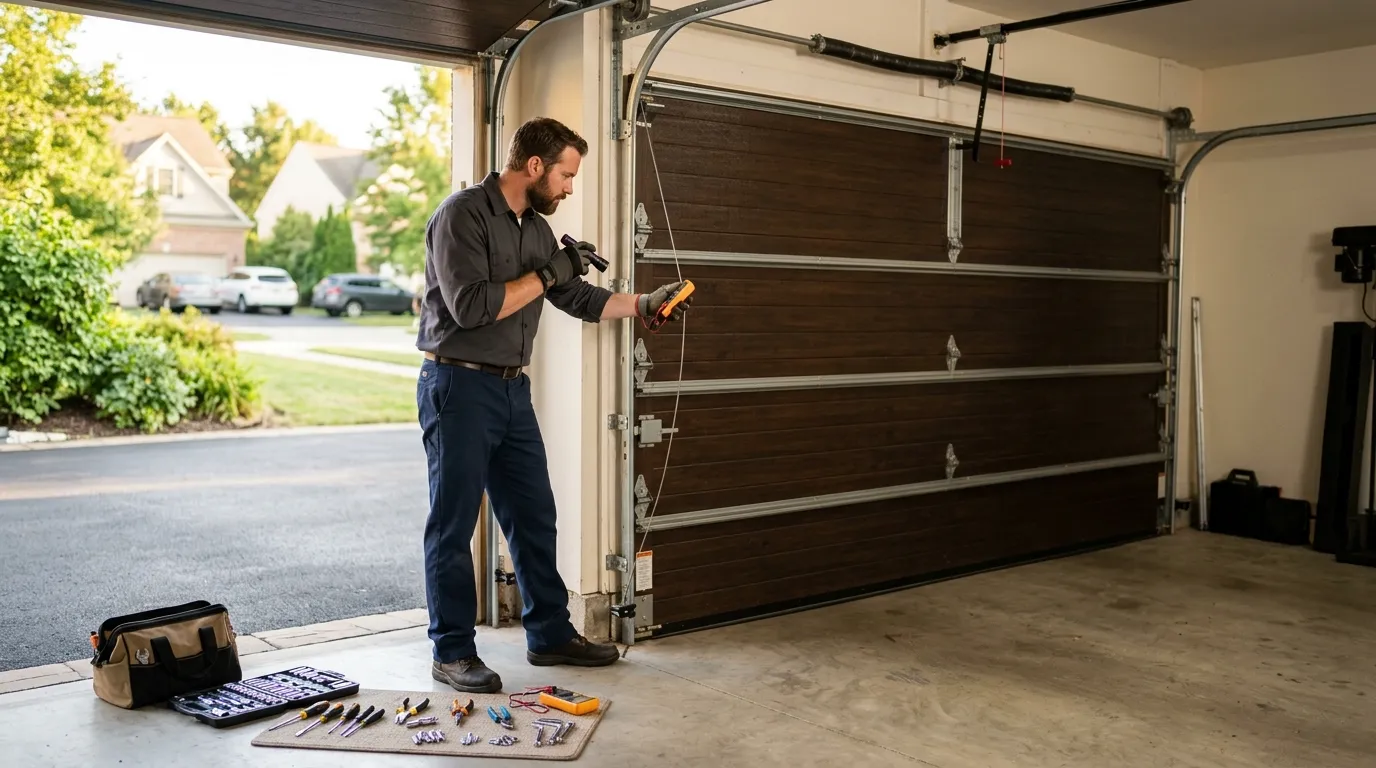
How Long It Takes
Once a truck is on site, most single-spring or double-spring torsion jobs on a standard residential door run under two hours, start to cleanup. That covers unwinding the broken spring safely, matching the new spring's wire size and wind direction to the door's weight, and cycling the door a few times to check balance.
What we can't promise from here is a same-day arrival window, since Grifton is about 15 miles from our shop in Greenville and every call gets scheduled around the route for that day. If your door is stuck shut with the car inside, say so when you call - that changes how a job gets prioritized against others already on the board.
Older doors sometimes add time to the job. If the torsion shaft or the cable drums show rust pitting - not unusual on a door pushing 50 years old in this climate - we may need to replace those parts along with the spring, which adds to the visit rather than shortening it. We'd rather tell you that up front than have the door come back apart in six months.
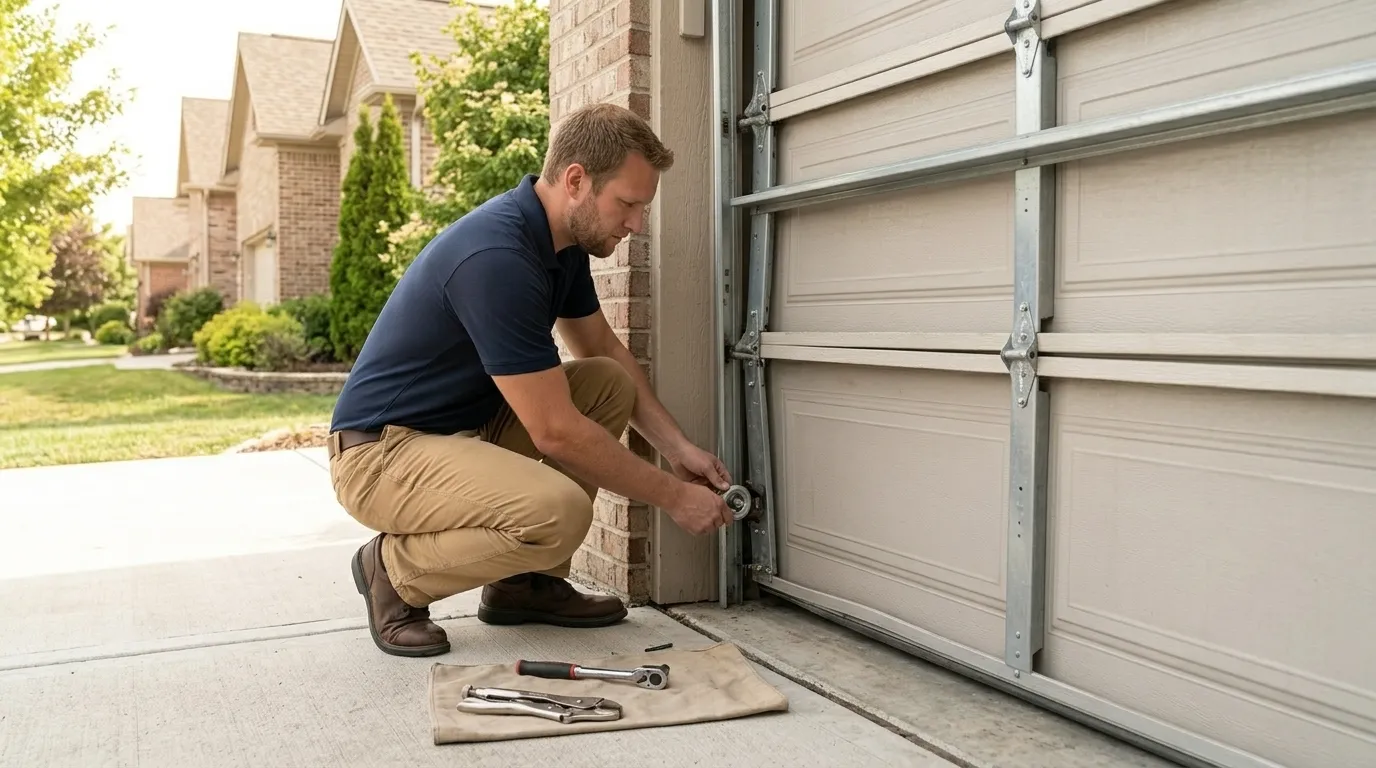
What It Costs
We don't have a published price list to quote here, and giving you a number without seeing the door, the spring size, and the shaft condition would just be a guess dressed up as a fact. What we can tell you honestly is how the cost gets decided: spring wire diameter and length, whether it's a single or double spring, and whether the drums, bearings, or cable need replacing alongside it.
Grifton's median household income runs $36,664, noticeably below the $41,711 median across the wider Greenville service area. We mention that because it shapes how we quote jobs here - we'll walk you through spring-only repair versus a fuller hardware refresh, and we're not going to upsell a full torsion conversion on a door that just needs a matched spring pair.
One honest limit: if your springs are a mismatched pair from a previous partial repair, or if the shaft is bent, that's more than a straight spring swap and the estimate has to reflect that once we're looking at it in person.
What Can Go Wrong
The spring itself breaking is usually the least dangerous part of the failure - it's what happens next that causes trouble. A door held up by one working spring instead of two will drop unevenly, which can bind the rollers in the track or twist the bottom panel if someone tries to force it. Cables under sudden slack can jump the drum and kink, which turns a spring job into a cable-and-drum job.
On houses from Grifton's 1973-era build wave, we also see torsion shaft end bearings that have gone dry and noisy long before the spring finally lets go - the spring failure is often the loud symptom of a hardware set that's been due for attention for a while. Trying to rewind a broken torsion spring yourself, without the right winding bars, is the single most common way people end up hurt on this job. The wound spring stores enough force to snap a bar out of your hand or worse.
We won't talk anyone through winding their own spring over the phone. It's not a corner we cut.
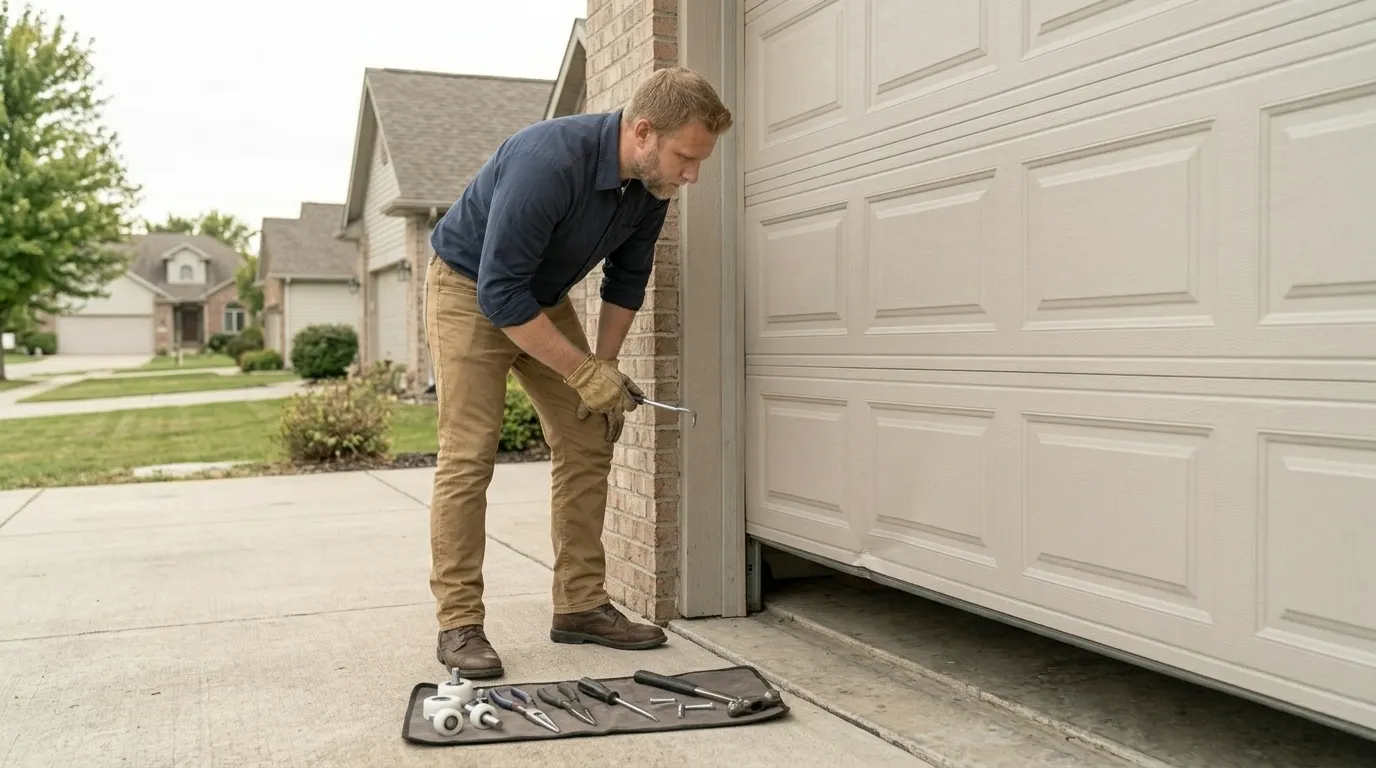
What Causes It Around Here
Torsion springs fail from cycle fatigue, plain and simple - they're rated for a set number of open-close cycles, and every door in Grifton built in the early 1970s has been through decades of them. Add a cold-moderate climate to that math: steel contracts in winter cold, gets stiffer, and takes more strain per cycle than it would in a warmer month, which is part of why we see a jump in snapped springs during the coldest stretches of the year.
Grifton has 1,171 households, most sitting on original or first-generation torsion hardware installed when the doors went in around 1973. That's a smaller, more uniform pocket than some of the newer subdivisions elsewhere in the service area, which means a lot of these springs are aging out on roughly the same timeline. If your neighbor's door popped a spring last winter, don't be surprised if yours is next - the hardware went in around the same year and it's carried the same load ever since.
Rust from humidity swings and lack of lubrication accelerates all of this, but the underlying cause is age. There's no way around that one - springs wear out on schedule, not by chance.
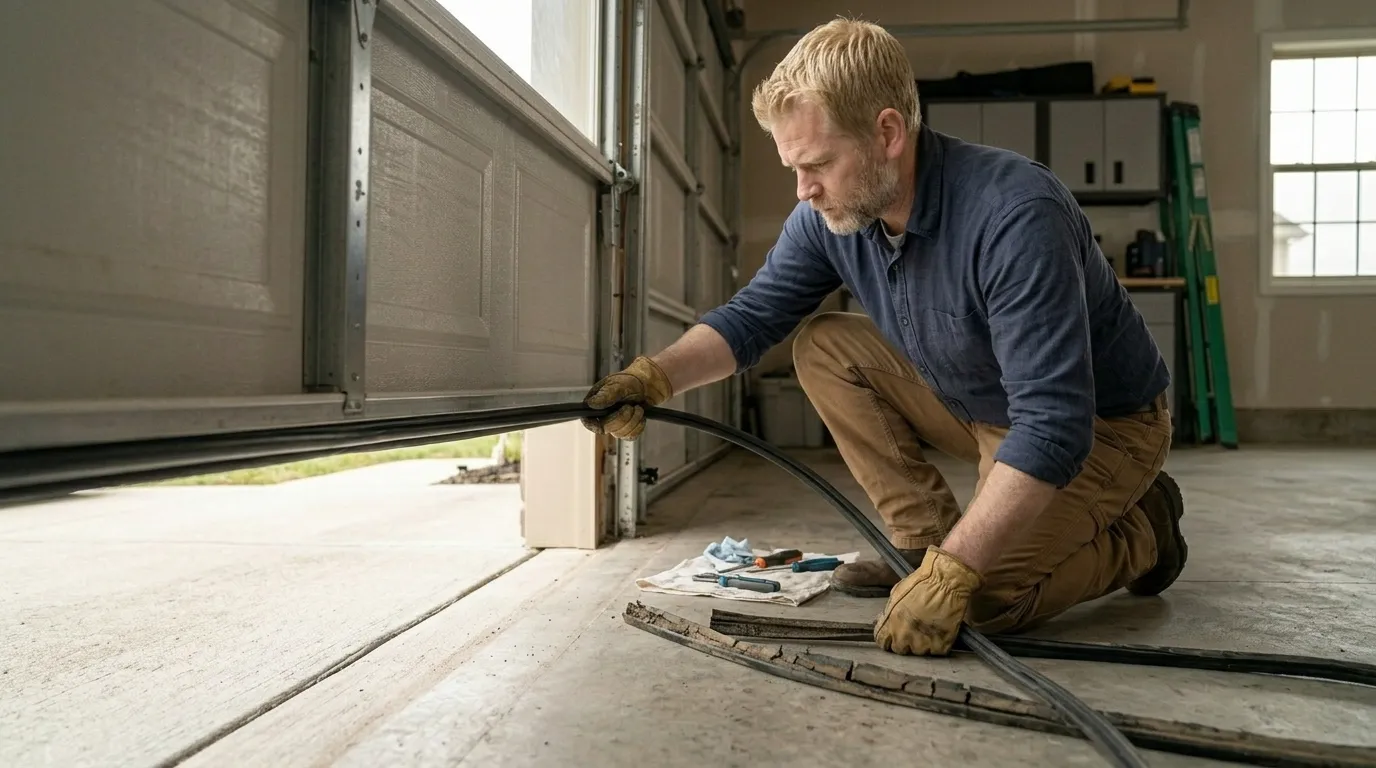
Why Grifton Calls Us
Other Garage Door Services in Grifton
Talk to a Grifton Technician First
Describe what the door is doing and get a straight answer on what it likely needs.
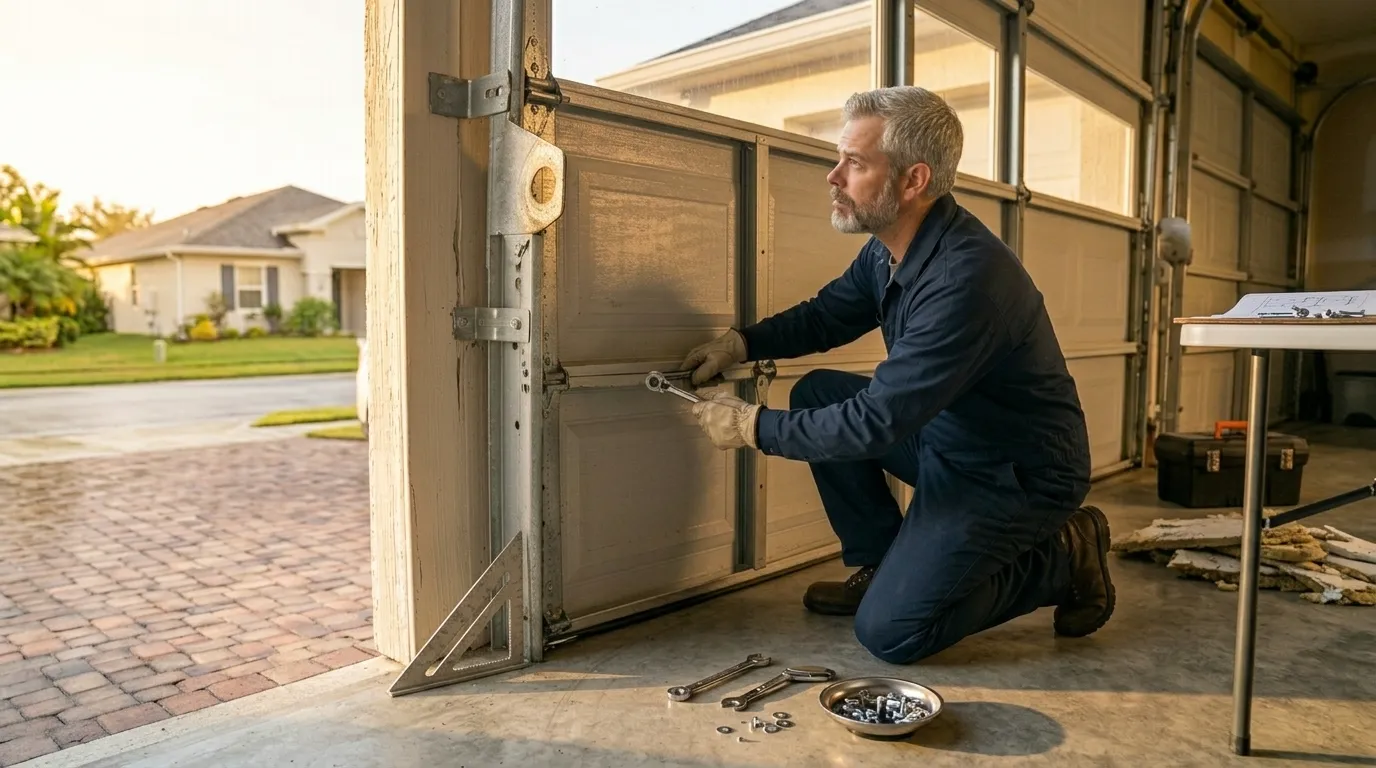
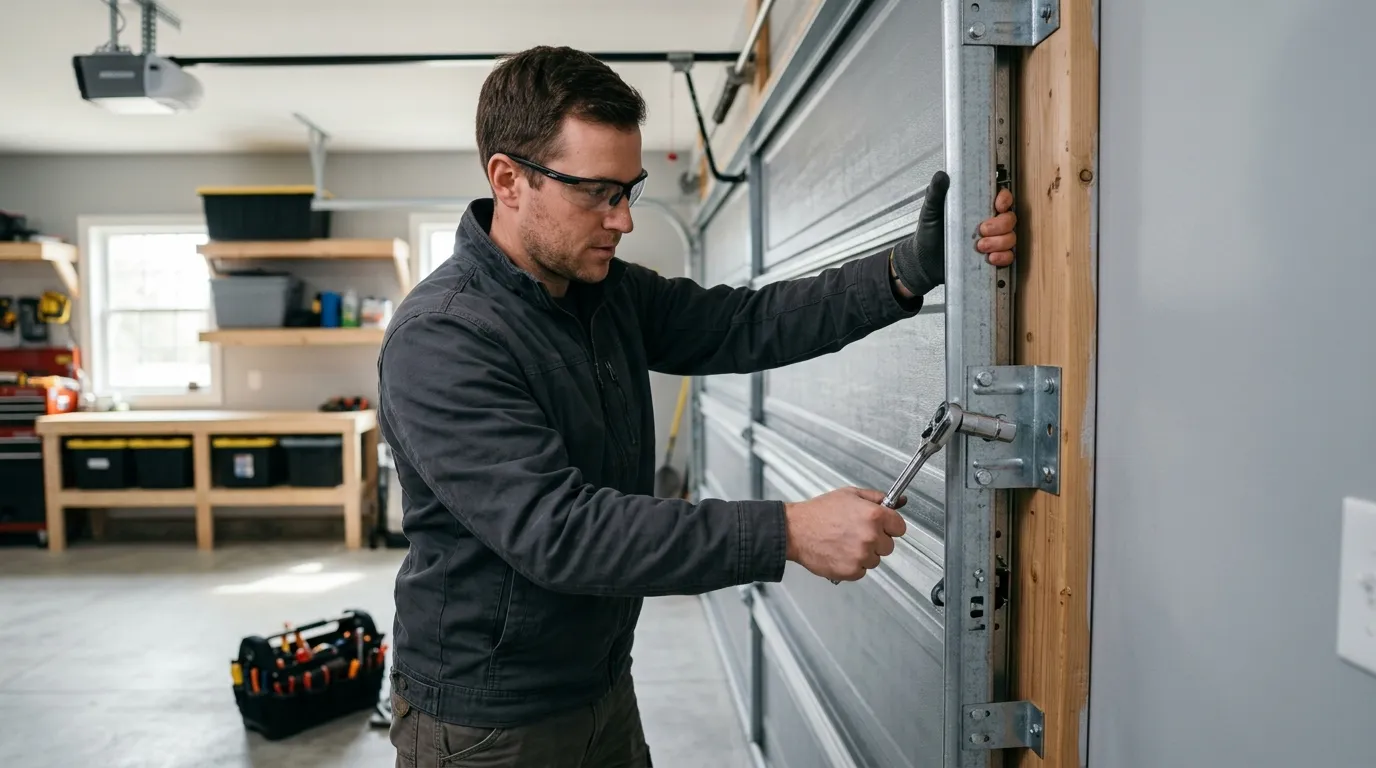
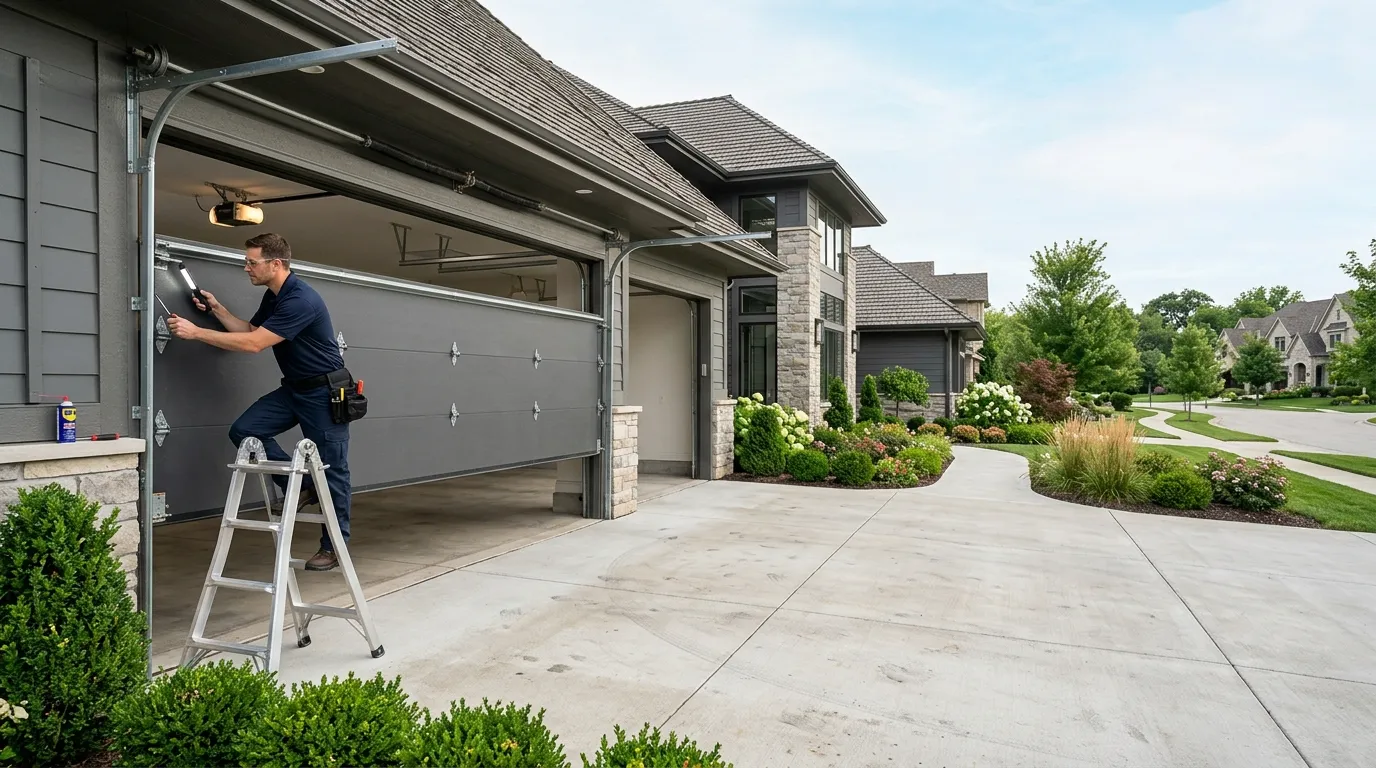
Recent Work in Grifton
A look at jobs our crew has been on nearby.
Frequently Asked Questions
How do I know if it's the spring and not the opener?
If the opener motor runs but the door won't lift, or only moves a few inches before stalling, that points to a broken spring rather than the opener. A visible gap in the coiled spring above the door, or a loud bang you heard recently, both confirm it. The opener isn't built to lift a door's full weight alone - the spring does that work.
Can I drive my car out if the spring is broken?
If the door is already open, yes, but don't try to close and reopen it. If it's shut, don't force it with the manual release - the door can drop fast and unevenly once the spring lets go, and that's a way to damage the track or hurt someone standing under it.
Is it worth replacing both springs if only one broke?
On a door with two springs, the other one is usually close behind in age and cycle count. Replacing both at once means matched wear going forward and avoids a second service call in the near future. We'll tell you the condition of the second spring when we're there rather than push a blanket rule.
Why does winter seem to be when springs break most?
Cold makes steel less flexible, so a spring under daily tension has less give per cycle in winter than in warmer months. In a cold-moderate climate like this one, that seasonal stiffening adds real strain to hardware that's already near the end of its rated cycle count.
Need Spring Repair in Grifton?
Call now for straight answers on cost and timing.